Trezor Login: Securely Access Your Cryptocurrency Wallet
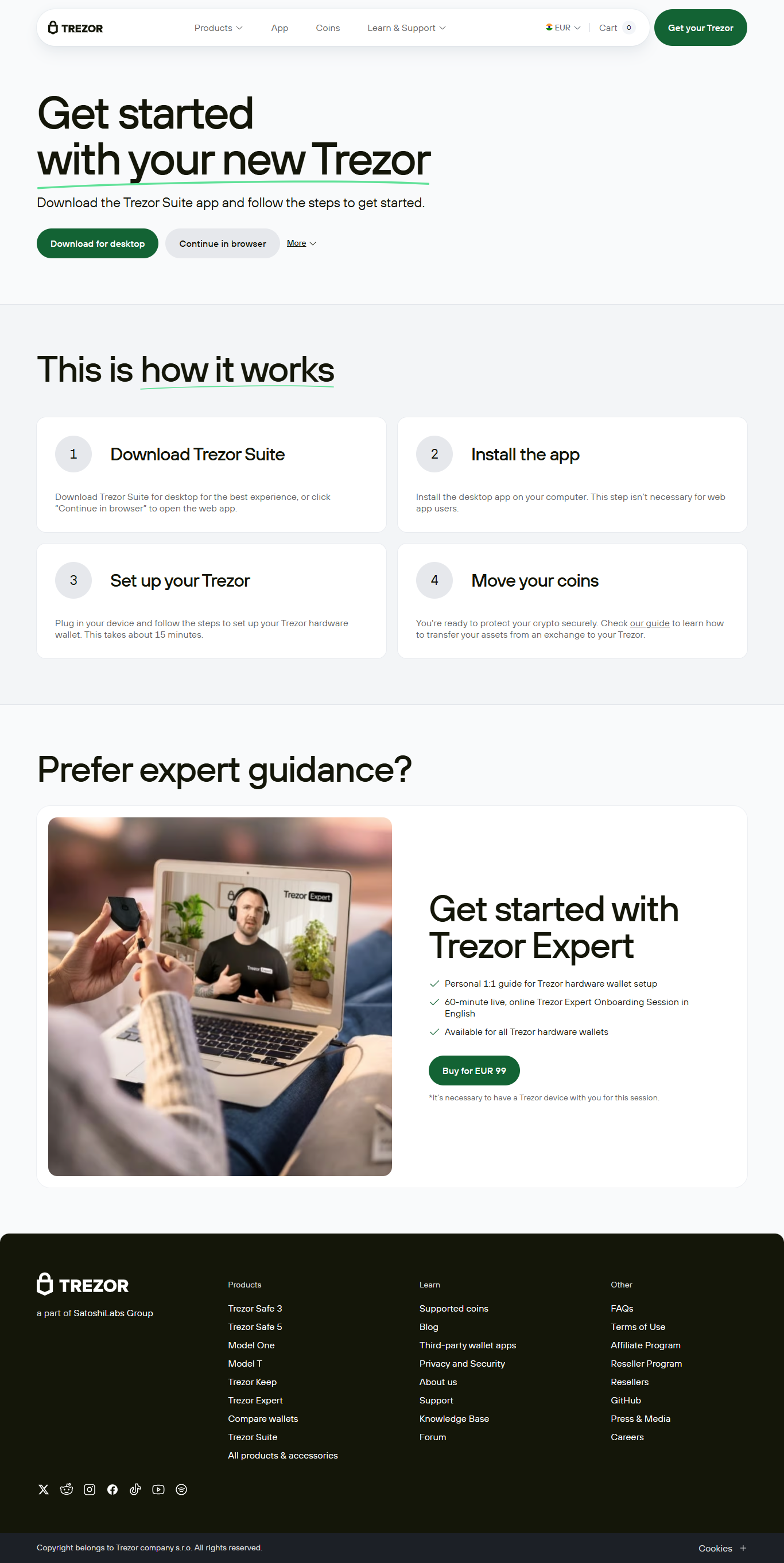
Managing cryptocurrency safely requires more than just storing funds—it requires a secure way to access your wallet. Trezor, a leading hardware wallet provider, offers users a highly secure method to store and manage digital assets offline. The login process for Trezor is designed to keep your funds protected while remaining user-friendly, ensuring only the owner of the device can access the wallet.
To begin the Trezor login process, connect your hardware wallet to your computer or mobile device using a USB cable. Once connected, open the official Trezor website or the Trezor Suite application. Always use official platforms to avoid phishing attempts, which are common in the cryptocurrency industry. Carefully check the website URL and ensure your software is up to date.
Trezor login requires a personal PIN code, which serves as your first line of defense. Unlike conventional passwords, Trezor’s PIN entry is randomized each time you log in. A numeric grid is displayed on your device, and you enter the PIN by selecting the corresponding positions on the screen. This method prevents malware or keyloggers from capturing your PIN, ensuring only the correct combination of device and code can unlock your wallet.
During initial setup, Trezor generates a recovery seed, a set of 24 unique words that acts as a backup. The recovery seed allows you to restore your wallet in case the device is lost, stolen, or damaged. Keeping this seed offline in a safe place is crucial. Storing it on a computer or online can compromise your wallet’s security and make it vulnerable to attacks.
Trezor also provides the option to set a passphrase for extra protection. The passphrase works alongside your PIN to access the wallet and can be used to create hidden wallets or add additional privacy. However, losing your passphrase means permanent loss of access to the wallet associated with it, so it must be stored securely and privately.
Avoid accessing your Trezor wallet on public or unsecured Wi-Fi networks. Public networks are often targets for hackers attempting to intercept sensitive information. Ensure your computer or mobile device has the latest security updates and antivirus protection. This reduces the risk of malware and ensures a safer login experience.
Once logged in, the Trezor Suite provides a clear interface to manage your cryptocurrencies. You can check balances, monitor transactions, and send or receive funds. The software supports multiple cryptocurrencies and is suitable for both beginners and advanced users. Regular software and firmware updates ensure your wallet remains secure and compatible with new blockchain technologies.
If login issues occur, Trezor offers detailed troubleshooting resources. Common problems include repeated PIN entry errors or connection issues. Following official guidance helps resolve these issues without compromising security. Remember, your PIN, recovery seed, and passphrase should never be shared, even with someone claiming to be support personnel.
Regularly logging into your Trezor wallet helps you stay informed about your portfolio, check transactions, and ensure no unauthorized access has occurred. The combination of a physical device, randomized PIN entry, optional passphrase, and offline recovery seed offers robust protection against hacking attempts and ensures your cryptocurrencies are safe.
In conclusion, Trezor login is more than just a method to access your wallet—it’s a critical security process that protects your digital assets. By understanding the steps, implementing best practices, and safeguarding your recovery information, you can manage your cryptocurrency portfolio safely. Trezor provides peace of mind, combining ease of use with strong protection for your funds.
Remember, wallet security starts with vigilance. Keep your device in a secure location, protect your PIN and passphrase, and always use verified channels to log in. Following these steps ensures your Trezor wallet remains a secure and reliable way to access and manage your cryptocurrency assets.